Residential Water Heater Repair Across North Carolina
Comprehensive troubleshooting for gas and electric storage tank water heaters. We diagnose failed heating elements, faulty thermostats, pilot outages, and pressure relief valves to restore safe, steady domestic hot water.
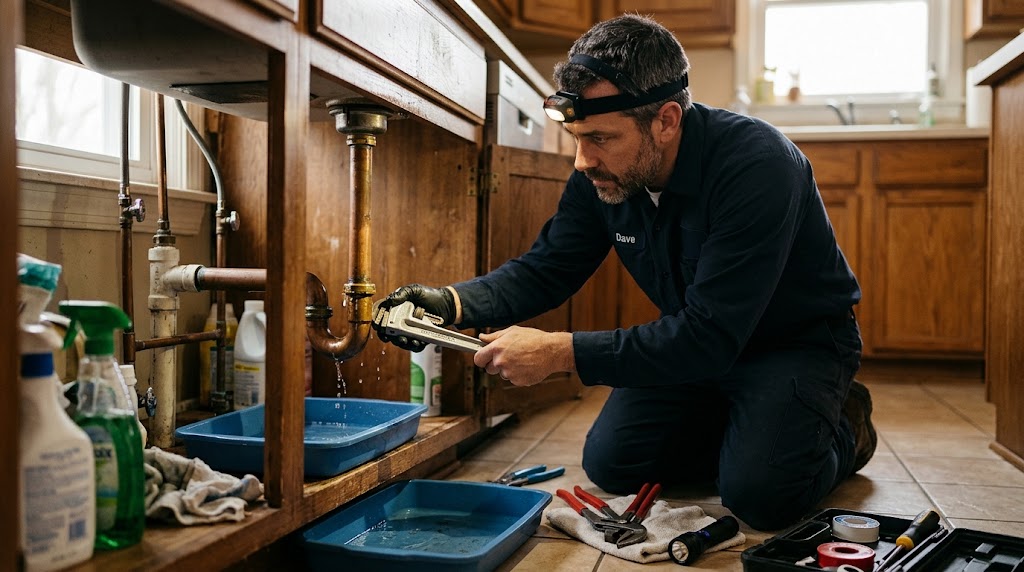
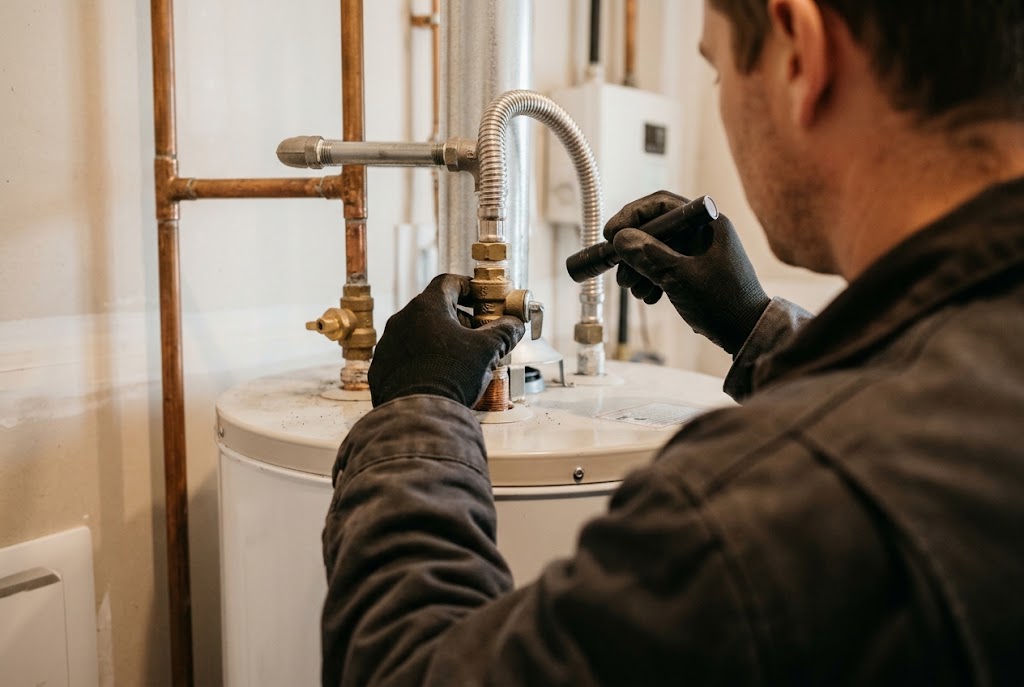
Mechanical diagnostic testing adhering to North Carolina State Plumbing Code standards.
Common Symptoms Requiring Professional Attention
Ignoring early plumbing symptoms frequently converts minor mechanical adjustments into costly domestic emergencies. Look out for the following critical indicators in your home:
- Complete absence of hot water or water turning lukewarm within minutes
- Popping, rumbling, or kettle-like sounds coming from the heater base
- Water pooling around the water heater drain pan or base fittings
- Pilot light repeatedly extinguishing on atmospheric gas water heaters
- Rusty or discolored hot water paired with metallic odors from taps
- High electric or gas utility bills caused by calcified heating elements
"Catching pressure surges or micro-leaks early prevents the catastrophic drywall rot, subfloor warping, and structural mold remediation that follows untreated domestic plumbing failures."
North Carolina Plumbing Co. Quality ProtocolOur Professional Diagnostic Protocol
Our diagnostic sequence begins with electrical multimeter testing of upper and lower heating elements (verifying 12 to 13 ohms resistance) and high-limit ECO thermostats on electric units. For gas water heaters, we test thermocouple millivoltage, inspect the thermopile pilot assembly, and verify chimney flue draft. We also test the Temperature & Pressure (T&P) relief valve to ensure it is not discharging due to thermal expansion.
Premium screw-in lower-watt-density incoloy elements that resist mineral scaling and operate quietly even in hard municipal water conditions.
Precision bimetal upper and lower temperature control switches calibrated to maintain 120°F household supply without overheating.
Gas pilot safety sensors generating 25-30 millivolts to hold gas safety valves open during combustion cycles.
Safety discharge valves certified under ASME Section IV to discharge automatically at 150 PSI or 210°F to prevent tank explosions.
Code-Compliant Material Standards
All plumbing installations and repairs performed by North Carolina Plumbing Co. strictly conform to the North Carolina State Plumbing Code. We use approved materials including Lead-Free brass fittings, ASTM-compliant copper and PEX-a piping, and rated shutoff valves.
Repair vs. Replacement Decision Guidance
We believe in transparent, data-driven decisions that balance immediate repair costs against long-term equipment reliability.
| Plumbing Component / Symptom | When Repair is Recommended | When Replacement is Recommended |
|---|---|---|
| Burned Electric Heating Element | Drain tank partially and replace upper/lower screw-in element | Replace tank if element failure is accompanied by severe internal corrosion |
| Faulty Gas Thermocouple / Pilot | Clean pilot orifice and replace thermocouple or thermopile | Full unit replacement if gas control valve and burner are compromised |
| Tank Shell Leaking at Base | Cannot be repaired safely under North Carolina plumbing code | Immediate full replacement of the water heater tank is required |
Frequently Asked Questions
Straightforward answers regarding domestic service protocols, plumbing physics, and homeowner maintenance.
Can a leaking water heater tank be welded or patched?
No. A residential water heater operates under continuous domestic water pressure (50 to 75 PSI) while heating water up to 140°F. Once the internal glass lining cracks and the steel shell corrodes through, patching is impossible and unsafe. Immediate replacement is necessary.
Why does my water heater make loud banging or popping noises?
Popping sounds occur when heavy calcium and lime sediment settles at the bottom of the tank. Water trapped beneath this sediment layer boils into steam bubbles, popping loudly as it escapes. Flushing the tank and descaling elements can often resolve the issue.
How do I know if my water heater is worth repairing?
If your water heater is under 8 years old and the repair cost is reasonable (e.g. heating element, thermostat, or T&P valve), repair is the recommended choice. If the unit is over 10 to 12 years old and experiencing major component failure, replacement is the more economical long-term investment.
Why does my electric water heater keep tripping the electrical breaker?
A split heating element sheath allows live 240V current to contact water directly, triggering the electrical breaker or the red reset button on the upper thermostat. Replacing the ruptured element solves the fault.
What causes the temperature and pressure relief valve to drip?
A dripping T&P valve typically indicates excessive domestic water pressure (over 150 PSI) caused by thermal expansion in a closed plumbing system, a waterlogged expansion tank, or a failing PRV.