Explore Our Residential Plumbing Services
From precision electronic leak detection and high-efficiency water heater installations to motorized drain cleaning and emergency supply pipe repairs, we bring rigorous trade expertise to homes across North Carolina. Every discipline is executed according to state plumbing codes with code-compliant parts and clear homeowner communication.
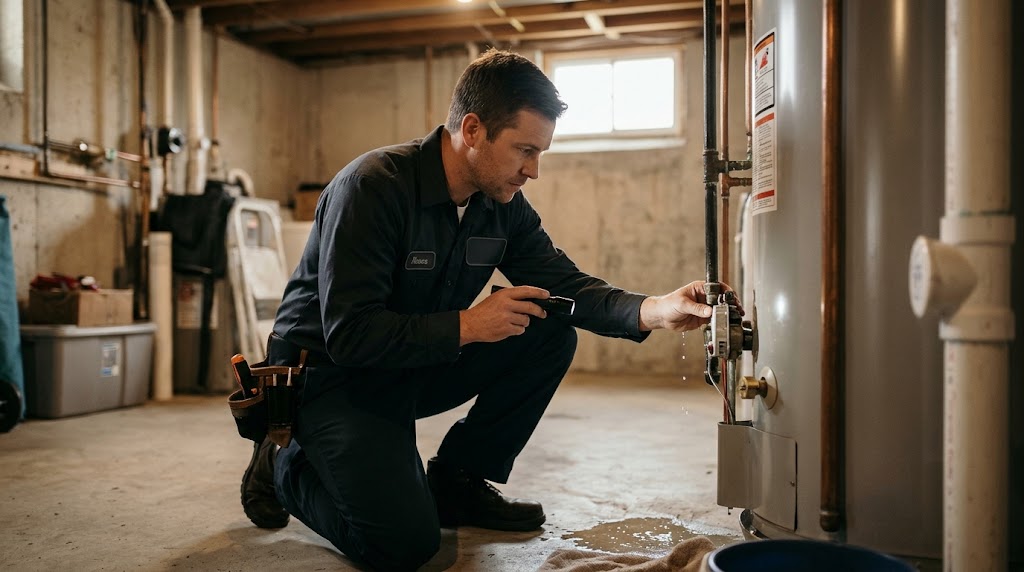
Our Primary Residential Disciplines
Every domestic plumbing requirement is addressed with code-compliant parts, durable copper and PEX fittings, and methodical diagnostics. Explore our detailed service pages below.
Plumbing Repair
Thorough diagnosis and permanent repairs for burst pipes, leaking shutoff valves, failing pressure regulators, and noisy domestic water lines across single-family residences.
Drain Cleaning
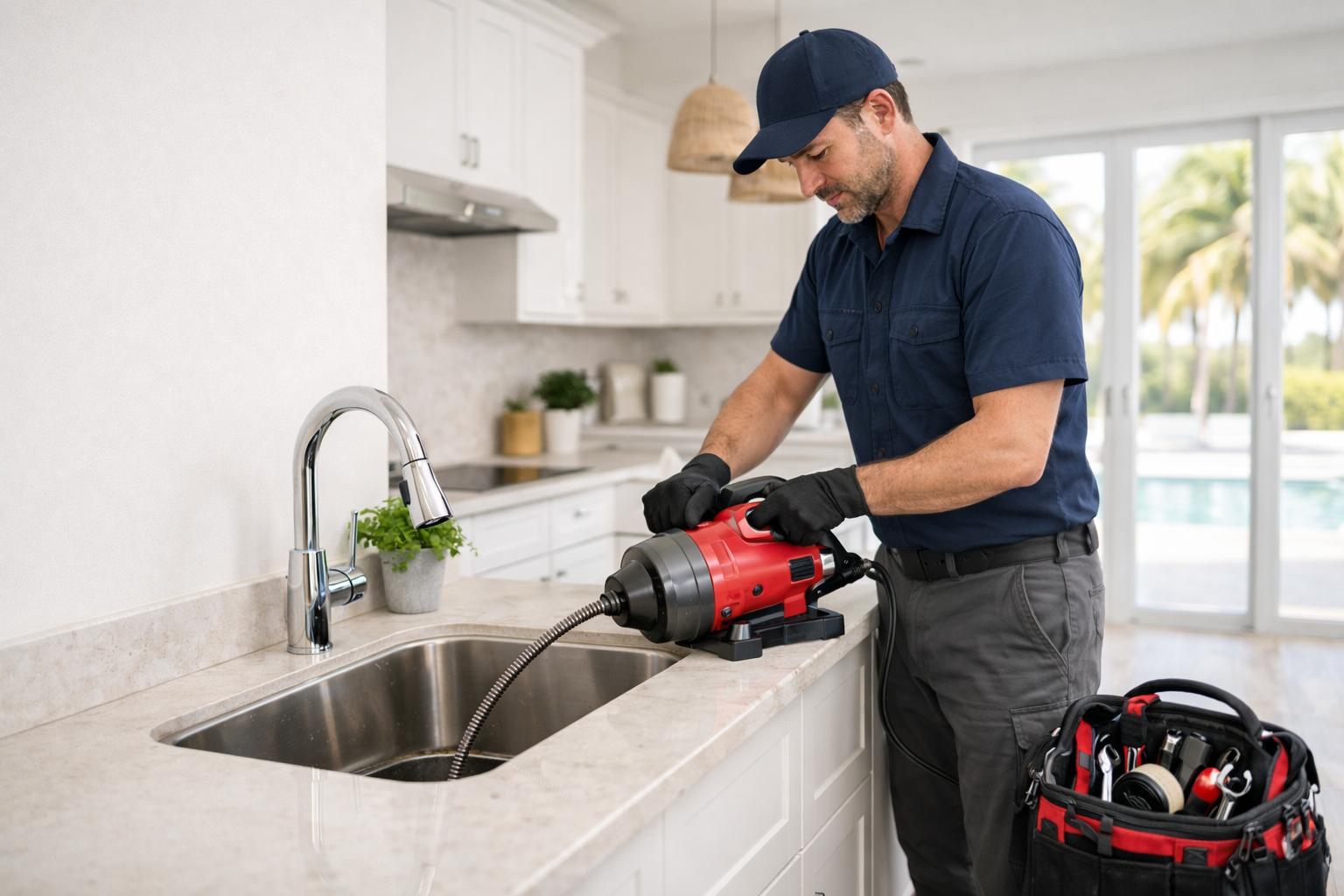
Heavy-duty motorized snaking and hydro-jetting to eliminate grease, soap scum, hair clogs, and foreign objects from kitchen, bath, and main lateral sewer lines.
Water Heater Repair
Electrical element testing, gas thermocouple replacement, pressure relief valve servicing, and sediment flushing to restore reliable household hot water.
Water Heater Replacement
Professional replacement of aging or corroded tank water heaters with high-efficiency atmospheric gas, power vent, or electric storage units with expansion tanks.
Leak Detection & Repair
Advanced acoustic sensors and thermal imaging to locate concealed pipe leaks under concrete slabs, behind finished drywall, and inside crawlspaces.
Sewer Line Services
HD sewer camera inspections, root removal, cleanout installations, and spot lateral pipe repairs for residential properties throughout North Carolina.
Toilet & Fixture Services
High-efficiency toilet installations, faucet cartridge rebuilds, garbage disposal replacements, and whole-home domestic fixture upgrades.
Rigorous residential plumbing inspection adhering to modern North Carolina building codes.
How Our Plumbing Team Diagnoses Residential Issues
Plumbing symptoms are frequently misleading. A water stain on a first-floor ceiling may originate from a supply line ten feet away, while a slow shower drain may actually indicate a clogged main sewer stack rather than a simple trap obstruction.
Our technicians use methodical isolation testing: isolating fixture branches, checking static water pressure against municipal thresholds, and using electronic sensors where necessary. This disciplined protocol ensures we fix the real problem the first time, protecting your home against hidden water damage.
"A plumbing system should never be treated with guesswork. Mechanical testing and acoustic verification ensure repairs stand up to decades of daily household use."
North Carolina Plumbing Co. Technical StandardsThe Physics of Plumbing Failures in North Carolina Homes
Residential plumbing infrastructure across North Carolina operates under demanding environmental stressors that vary dramatically from the granite hills of the Piedmont to the sandy aquifers of the Coastal Plain. Understanding these mechanical factors helps homeowners identify early warning signs before catastrophic pipe ruptures or sewer backups occur.
Rapid suburban expansion in Wake, Mecklenburg, and Alamance counties requires municipal suppliers to push water at 80 to 120 PSI. When household Pressure Reducing Valves (PRVs) fail, this excessive velocity destroys water heater internal dip tubes, loosens copper joints, and ruptures flexible washing machine hoses.
Dissolved calcium carbonate and magnesium in local water supplies precipitate out when heated above 125°F. This creates an insulating calcified crust at the bottom of water heater storage tanks, trapping heat, burning out electric elements, and causing structural bottom-seam fatigue.
Because modern homes feature closed plumbing systems (mandated check valves at municipal meters), heating water from 50°F to 120°F expands its volume by roughly 2 to 3 percent. Without an operational expansion tank, this pressure wave spikes line pressures over 150 PSI, wearing out toilet seals and valve packings.
Expansive Piedmont red clay swells significantly during wet seasons and shrinks during summer dry spells. This soil shear pulls apart slip joints in underground sewer laterals, allowing opportunistic pine, maple, and oak roots to penetrate and create impenetrable blockages.
Master Plumber Pro-Tip: The 15-Minute Homeowner Diagnostic Check
Once every six months, perform a quick isolation test: turn off all household water taps, ice makers, and irrigation zones. Check your water meter. If the small low-flow indicator triangle or digital dial registers even slight movement over 15 minutes, you have a concealed domestic water leak. Call our team at (888) 205-7875 for non-invasive acoustic detection.