Toilet, Faucet & Plumbing Fixture Services Across North Carolina
Upgrading and restoring kitchen and bathroom fixtures. From running toilets and leaking cartridge faucets to garbage disposal installations and shutoff valve rebuilds, we deliver precision craftsmanship and water efficiency.
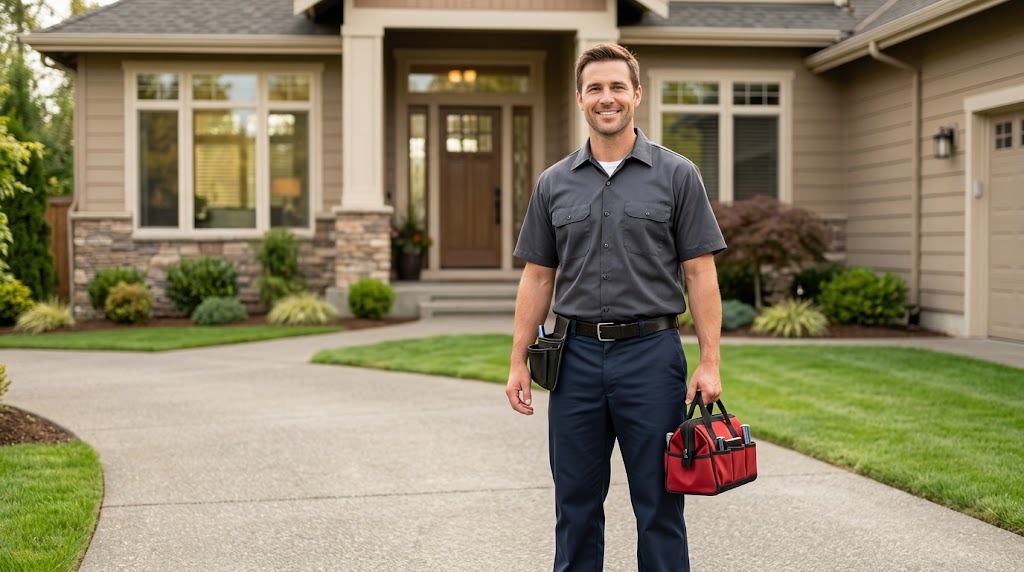
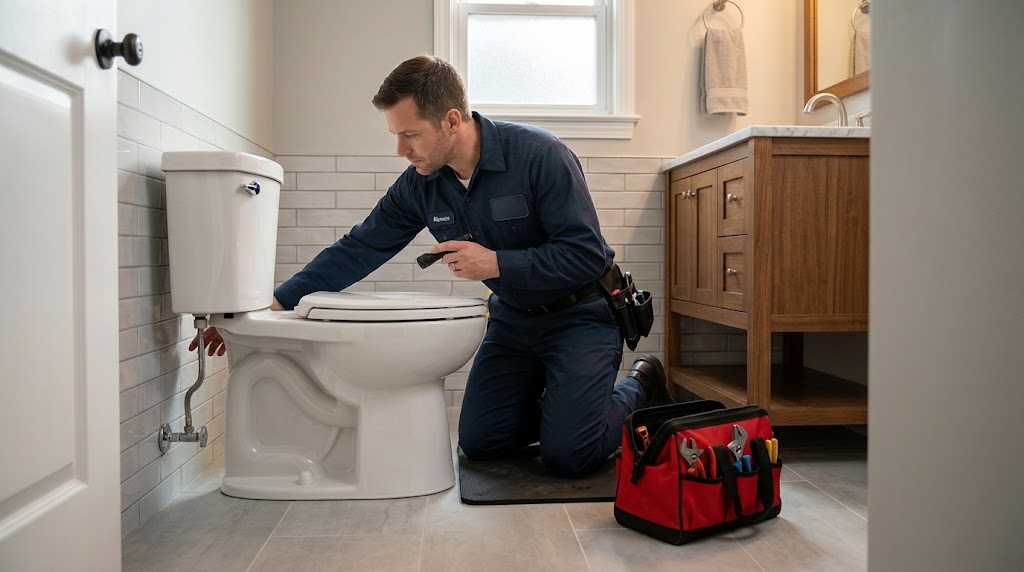
Mechanical diagnostic testing adhering to North Carolina State Plumbing Code standards.
Common Symptoms Requiring Professional Attention
Ignoring early plumbing symptoms frequently converts minor mechanical adjustments into costly domestic emergencies. Look out for the following critical indicators in your home:
- Toilet phantom-flushes, continuously trickles water, or rocks on its base
- Faucets dripping from aerators or leaking around the base of the handle
- Garbage disposal hums without spinning, drains sluggishly, or leaks underneath
- Corroded, frozen, or weeping shutoff angle stops under kitchen or bathroom sinks
- Low flow or poor spray patterns from mineral-clogged showerheads and aerators
- Persistent moisture or rot observed beneath bathroom vanity cabinets
"Catching pressure surges or micro-leaks early prevents the catastrophic drywall rot, subfloor warping, and structural mold remediation that follows untreated domestic plumbing failures."
North Carolina Plumbing Co. Quality ProtocolOur Professional Diagnostic Protocol
We assess fixture mechanisms directly: testing toilet flappers and fill valve shutoff points against the overflow tube, inspecting ceramic disc faucet cartridges for mineral scoring, and testing disposal motor impellers. We inspect the wax seal and closet flange on rocking toilets to verify there is no hidden subfloor water leakage.
Dual-flush and pressure-assisted toilets delivering 1.28 GPF or lower with fully glazed 2-inch trapways that virtually eliminate clogs.
Diamond-hard ceramic disc valve assemblies that replace traditional rubber washers, eliminating faucet drips and providing silky handle operation.
Heavy-duty stainless steel grind chambers with multi-stage grinding rings and induction motors engineered for quiet, reliable kitchen waste processing.
Burst-proof braided stainless steel flexible supply lines connecting fixture shutoffs to faucet and toilet inlets, replacing aging plastic tubes.
Code-Compliant Material Standards
All plumbing installations and repairs performed by North Carolina Plumbing Co. strictly conform to the North Carolina State Plumbing Code. We use approved materials including Lead-Free brass fittings, ASTM-compliant copper and PEX-a piping, and rated shutoff valves.
Repair vs. Replacement Decision Guidance
We believe in transparent, data-driven decisions that balance immediate repair costs against long-term equipment reliability.
| Plumbing Component / Symptom | When Repair is Recommended | When Replacement is Recommended |
|---|---|---|
| Running Toilet Tank Mechanism | Rebuild with fluidmaster fill valve, new flapper, and tank-to-bowl bolts | Replace entire fixture if porcelain bowl is cracked or efficiency is under 1.6 GPF |
| Dripping Single-Handle Faucet | Replace internal ceramic disc cartridge, O-rings, and check valves | Replace fixture if valve casting is cracked or plating is severely pitted |
| Humming / Jammed Garbage Disposal | Clear foreign debris using manual hex wrench and test reset button | Replace unit if motor internal seals have breached and water leaks from motor housing |
Frequently Asked Questions
Straightforward answers regarding domestic service protocols, plumbing physics, and homeowner maintenance.
Why does a toilet continue to run intermittently on its own?
This is typically caused by a worn flapper seal that fails to hold water in the tank. As water slowly leaks past the flapper into the bowl, the tank water level drops until the float drops enough to trigger the fill valve for a brief top-off (the 'phantom flush').
What should I do if a fixture shutoff valve begins leaking when turned?
Older multi-turn shutoff valves use rubber packing that dry-rots over time. Often, tightening the packing nut 1/4 turn clockwise with a wrench stops the weep. If it continues to leak, replace the multi-turn valve with a reliable 1/4-turn ball valve.
Can high water pressure damage household faucets and toilets?
Yes. Faucets, shower cartridges, and toilet fill valves are engineered for water pressures between 50 and 70 PSI. Surges above 80 PSI wear down internal rubber O-rings, rupture flexible supply hoses, and cause premature cartridge leaks.
Why is my garbage disposal humming but not spinning?
A humming noise indicates electrical power is reaching the motor, but the rotating impeller plate is mechanically jammed by hard debris (bone fragment, fruit pit, utensil). We use an allen key in the bottom service socket to safely free the jam.
Why is water leaking around the base of my toilet?
Water pooling around the base during or after a flush indicates a failed wax ring seal between the toilet horn and the floor flange. Prompt replacement is critical to prevent subfloor rotting and structural damage.