Precision Plumbing Repair in Jacksonville, NC
Comprehensive mechanical repairs for single-family residences across Jacksonville. From resolving elevated municipal water pressure spikes and leaking copper lines to replacing failed pressure reducing valves and worn fixtures, our technicians deliver enduring, code-compliant trade craftsmanship.
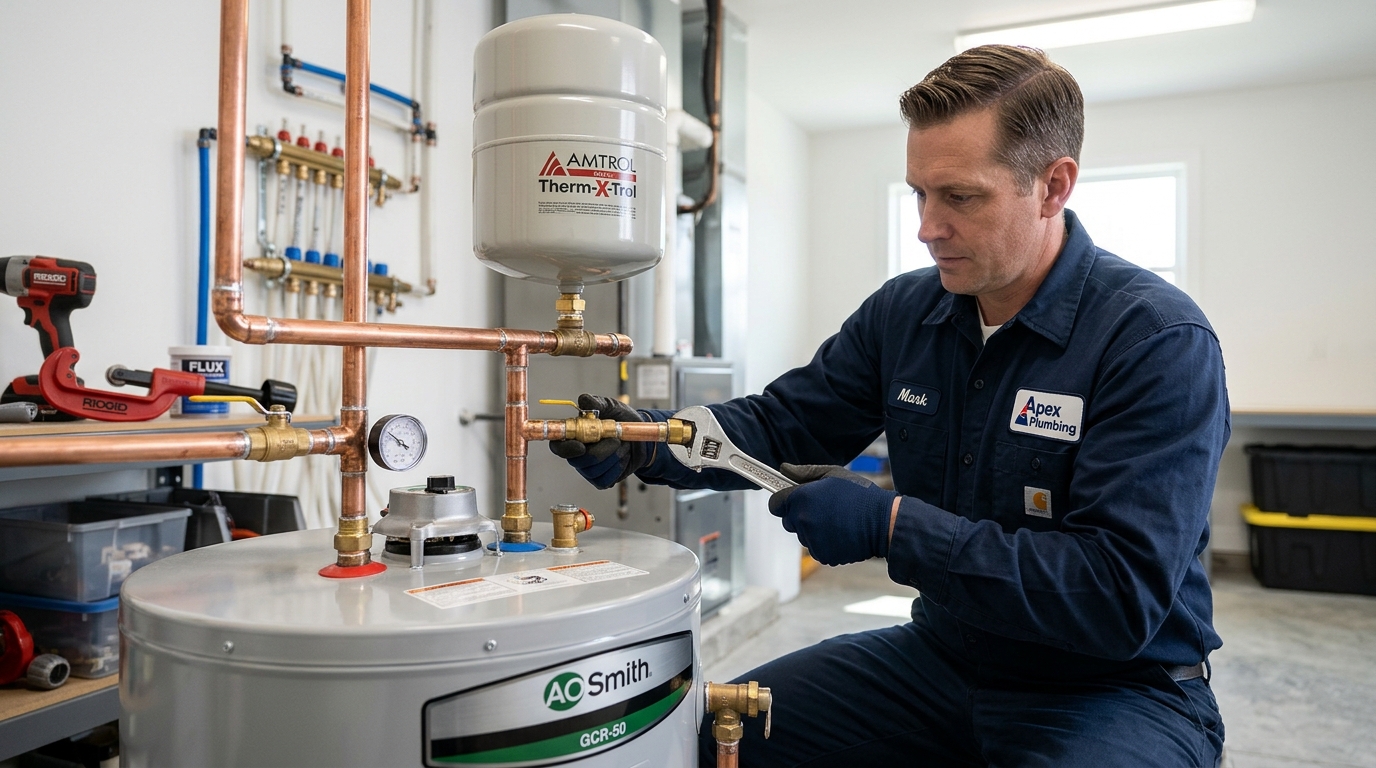
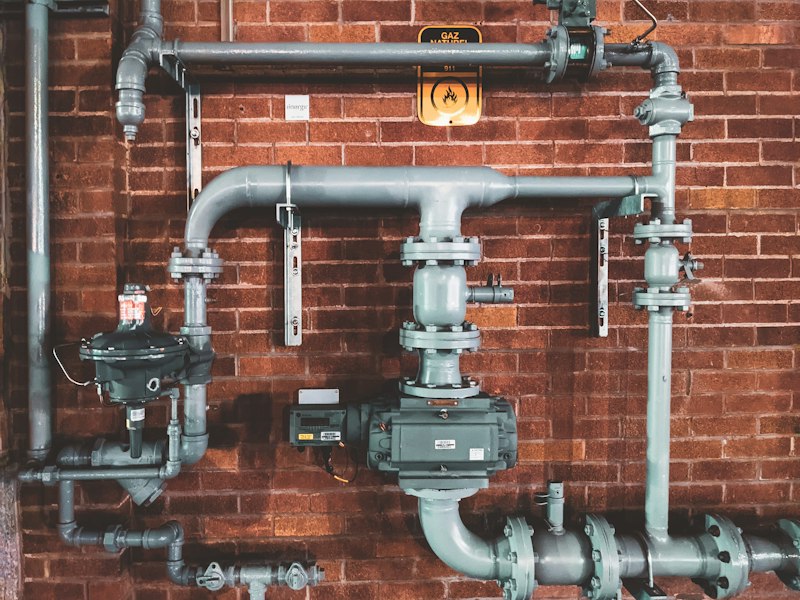
Rigorous evaluation of residential plumbing components in Jacksonville, NC.
Common Domestic Plumbing Failures in Jacksonville Homes
Plumbing defects in residential properties often begin with subtle physical symptoms that signal deeper mechanical stress. Across Jacksonville neighborhoods (Carolina Forest, Piney Green, Northwoods, Half Dollar Rd, and Williamsburg Plantation), homeowners should watch for these critical indicators:
-
Excessive Fixture Pressure: Faucets that blast water aggressively when first opened, indicating municipal pressure regulator failure exceeding 80 PSI.
-
Water Hammer Thump: Loud banging or vibrating pipes inside wall cavities whenever washing machine valves or toilet ballcocks snap shut.
-
Unexplained Utility Spikes: Monthly water bills increasing without changes in domestic water usage, signaling a concealed pressurized pipe leak.
-
Persistent Running Toilets: Flapper seal degradation or fill valve weeping that silently wastes up to 200 gallons of treated domestic water daily.
-
Subfloor Warmth or Dampness: Localized warm spots on tile floors or damp carpet edges indicating an under-slab hot water supply line perforation.
"High municipal water pressure is the silent destroyer of residential plumbing -- operating above 80 PSI rapidly fatigues appliance solenoid valves, stretches supply hoses, and causes catastrophic joint ruptures."
North Carolina Plumbing Co. Quality ProtocolDiagnostic Rigor & Code-Compliant Mechanical Restoration
Every service call in Jacksonville begins with calibrated diagnostic testing. We do not replace components blindly. Our technician connects a liquid-filled Bourdon test gauge to measure both static street pressure and residual operating pressure during high fixture draw.
When pipe repairs or valve replacements are required, we execute rigid mechanical joints utilizing heavy-gauge ASTM Type L copper or cross-linked PEX-a barrier tubing. We install full-port brass quarter-turn ball valves equipped with blow-out proof stems, ensuring zero restriction to domestic water flow and instantaneous 100% positive shutoff.
Calibrated dual-scale test gauges to verify incoming street pressure against North Carolina Plumbing Code thresholds, identifying damaging pressure surges above 80 PSI.
Commercial-grade hydraulic pressing tools forming watertight, flame-free copper joints rated to 250 PSI, eliminating fire risks in enclosed residential framing.
Thermal shape-memory expansion tools creating full-flow ASTM F1960 connections that expand and contract smoothly with seasonal temperature shifts without cracking.
Lead-free commercial brass ball valves featuring stainless steel trim and PTFE seals, replacing corroded, seized gate valves for dependable emergency isolation.
Trade Tip for Jacksonville Homeowners: Monitor Your Pressure Regulator
Check your home's Pressure Reducing Valve (PRV), usually installed where the main water line enters the crawlspace, garage, or utility closet. In Jacksonville, municipal mains frequently deliver water at 90 to 110 PSI to maintain fire flow. If your PRV is older than 8 to 10 years, internal diaphragms stiffen, transmitting full street pressure directly into your water heater and appliances.
Jacksonville Infrastructure & Domestic Water Chemistry
Residential water in Jacksonville is sourced from Black Creek and Peedee deep artesian groundwater aquifers treated by the City of Jacksonville. While rigorously treated for municipal potable standards, seasonal variations in disinfectant chloramines and dissolved minerals interact with domestic piping materials. Homes in Carolina Forest, Piney Green, Northwoods, Half Dollar Rd, and Williamsburg Plantation built during the late 20th century often feature aging copper piping susceptible to pitting corrosion or legacy Polybutylene systems that require proactive brass valve isolation and pressure stabilization.
Jacksonville Plumbing Repair FAQs
Common questions from Jacksonville homeowners regarding our professional service procedures.
What causes unexpected water pressure surges in Jacksonville homes?
Water pressure surges typically stem from municipal water main maintenance, neighborhood demand fluctuations, or the failure of your home's Pressure Reducing Valve (PRV). When the internal spring and rubber diaphragm inside a PRV wear out, high street pressure (often exceeding 90-100 PSI) floods the home, stressing fixtures.
How do I know if a plumbing leak is occurring beneath my slab or in a crawlspace in
Key indicators include the sound of running water when all fixtures are off, hot spots on flooring, localized musty odors or mold in crawlspaces, and continuous spinning of the small low-flow indicator on your water meter dial.
When should aging gate valves be replaced with quarter-turn ball valves?
If your existing main water shutoff or fixture valves have round gate wheels that feel stiff, leak around the packing nut when turned, or fail to stop water flow completely, they should be replaced immediately with lead-free quarter-turn brass ball valves.
Why do plumbing fixtures rattle or hammer when faucets are turned off?
Water hammer occurs when high-velocity water abruptly stops, sending a shockwave echoing through unsecured pipe runs. This is caused by excessive system pressure or water hammer arrestor chambers becoming waterlogged. We install commercial mechanical arrestors to absorb hydraulic shock.
Are your plumbing repairs compliant with the North Carolina State Plumbing Code?
Yes. Every repair, pipe replacement, and valve installation executed in Jacksonville strictly complies with the North Carolina State Plumbing Code. We utilize lead-free brass fittings, code-mandated pipe supports, and certified materials inspected to current state standards.